0 $0.00

Shopping bag

  • No products in the cart.

Flagpole Guide

HOW TO PROPERLY DISPLAY AN AMERICAN FLAG

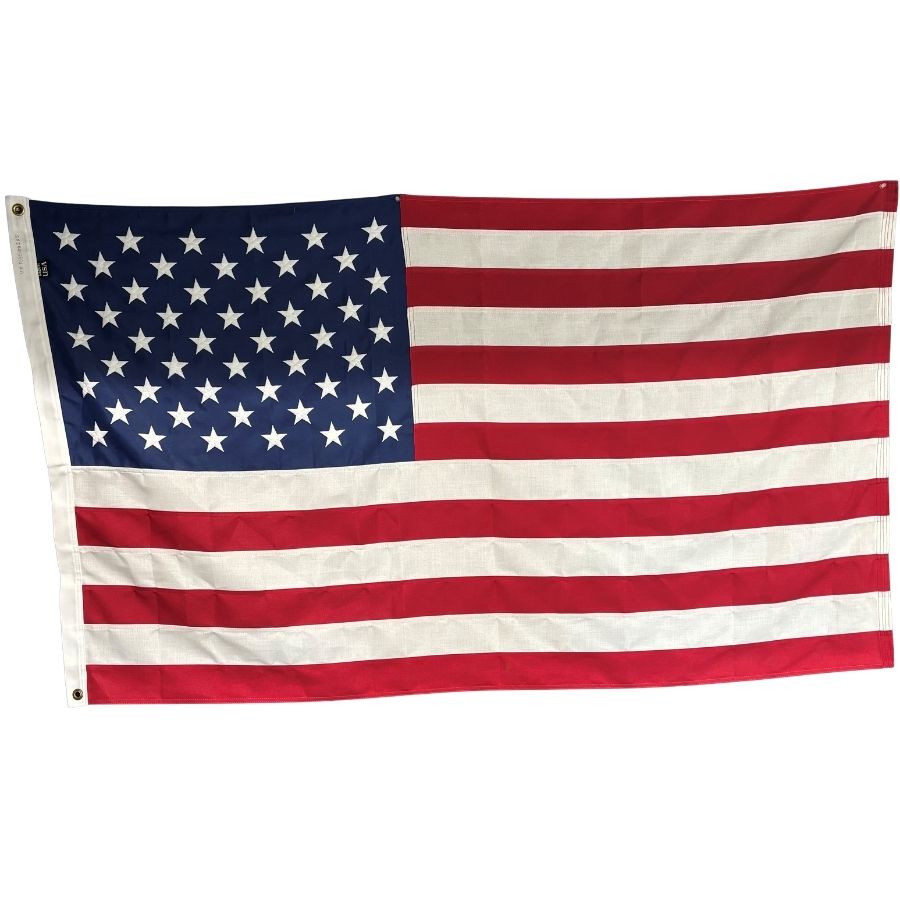
Planning for a flagpole can be an exciting and daunting task. A good first step is to figure out how many flagpoles you want to display, and ensure you have the space for it. Below is a guide on how to display your American flag properly with multiple flags and flagpoles. At Custom Flag Company we can help create Spirit, Image, and Visibility.

The American flag should be:
– Larger than the other flags
– Illuminated if flown at night
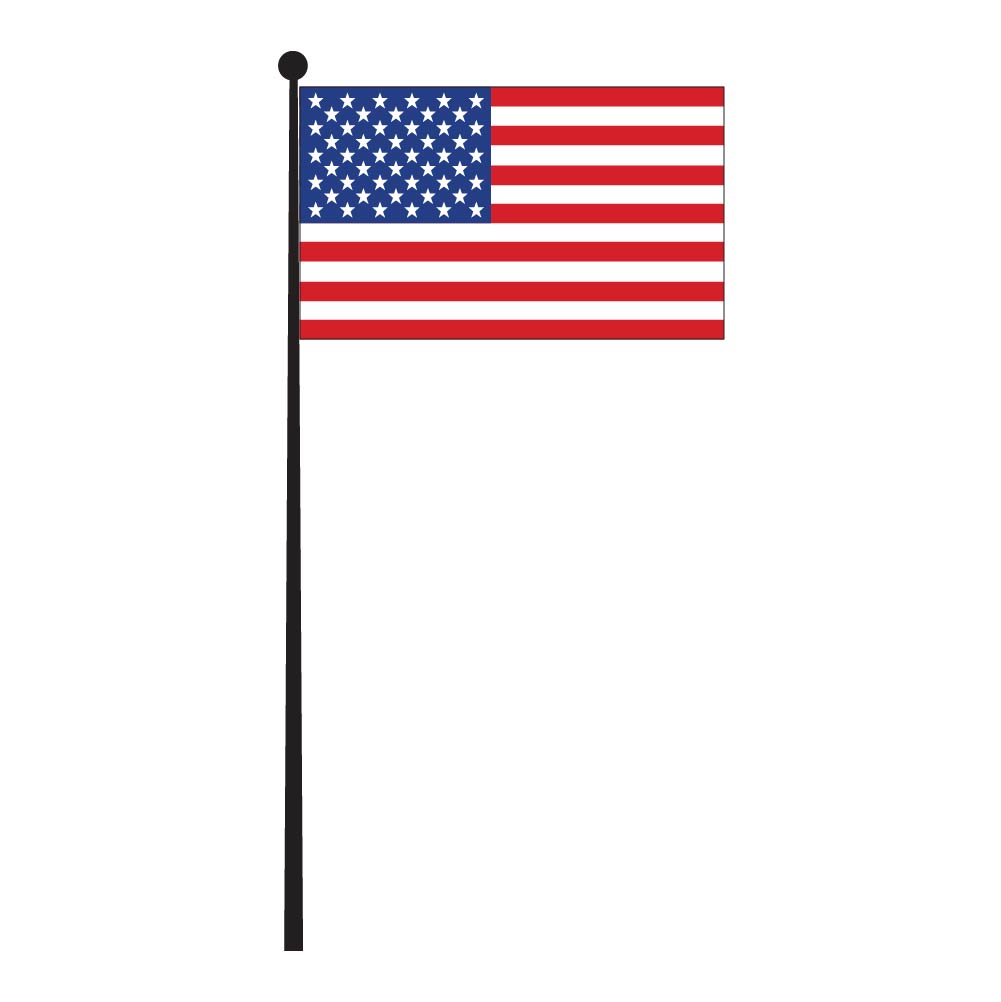
SINGLE FLAGPOLE

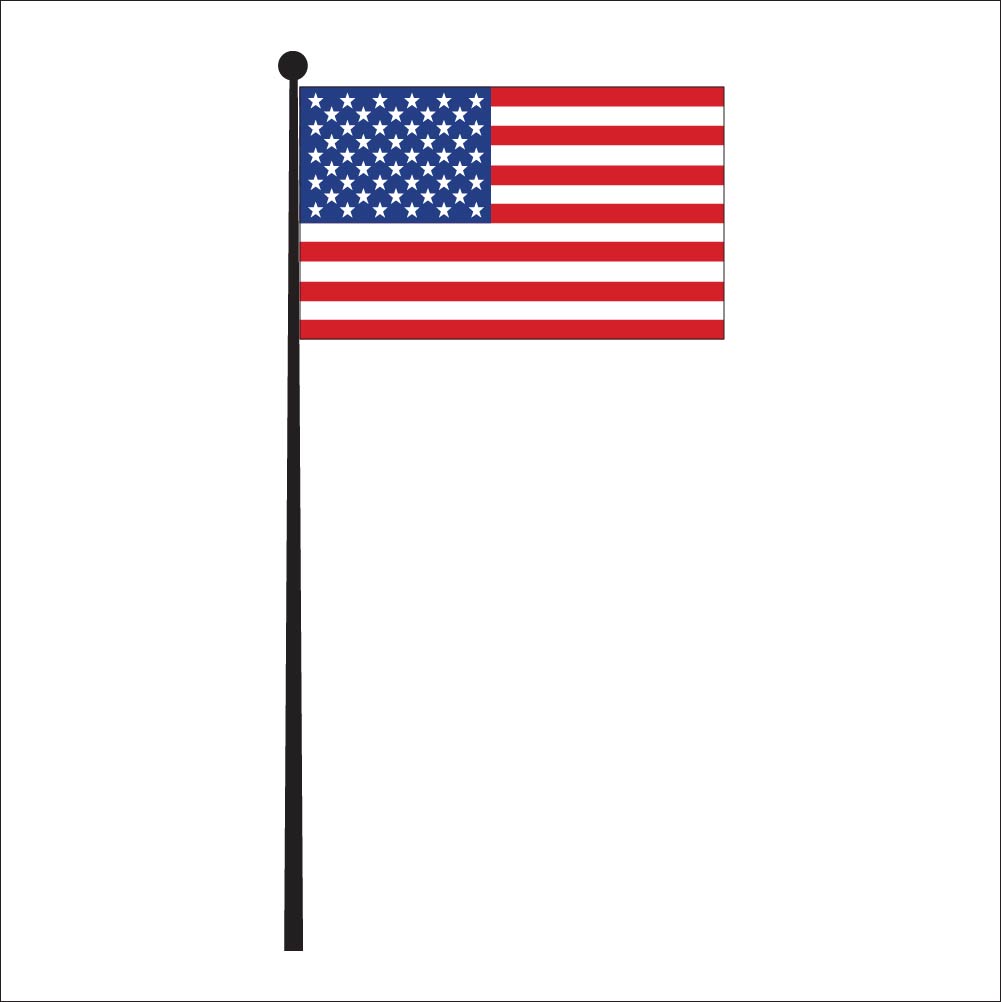
One Flag - American Flag Only

– Fly the proper size American flag based on the flagpole height.

– The US flag should always be flown at the top of the pole unless a half-staff proclamation is ordered from the President, Governor, Federal Agencies, or predetermined mandatory days.

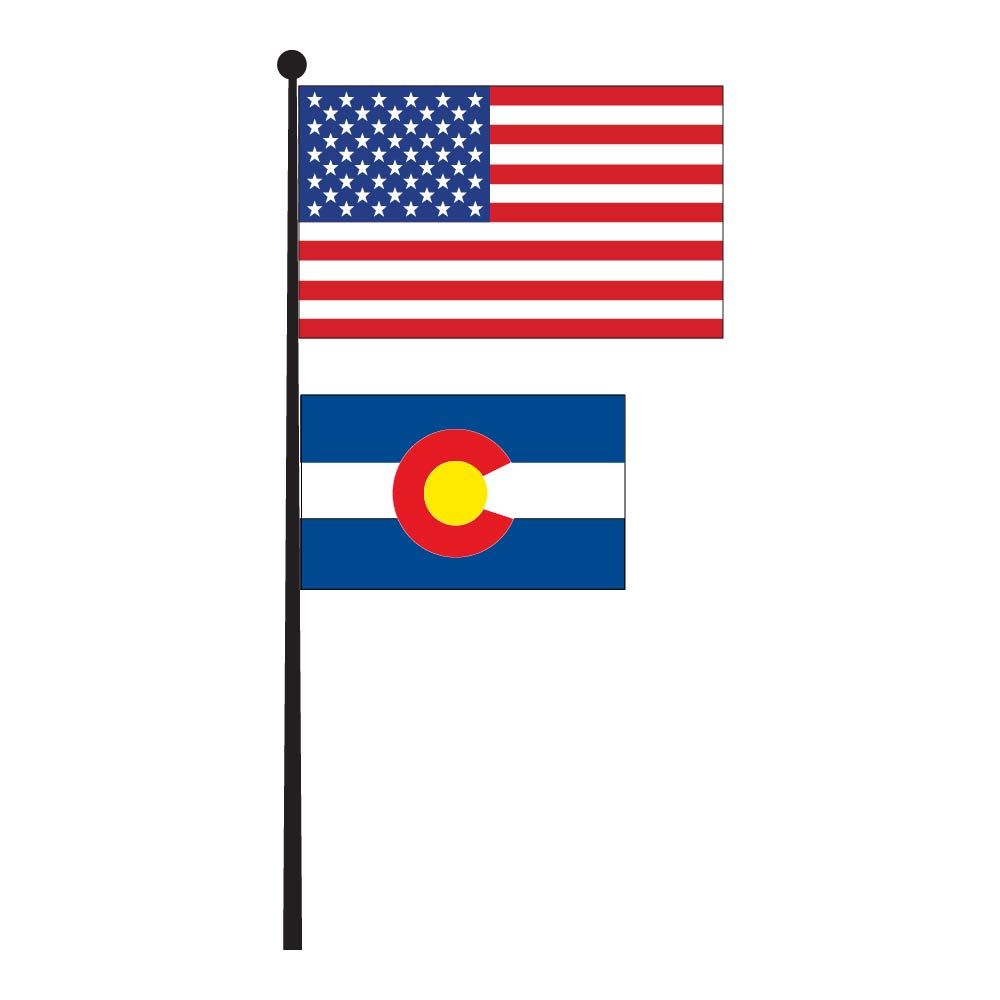
Two Flags – American Flag + Another Flag

-The secondary flag (state, company, or decorative) should be flown below the US flag on the same halyard.

-The American flag should be larger or equal in size, never smaller than the flag beneath it.

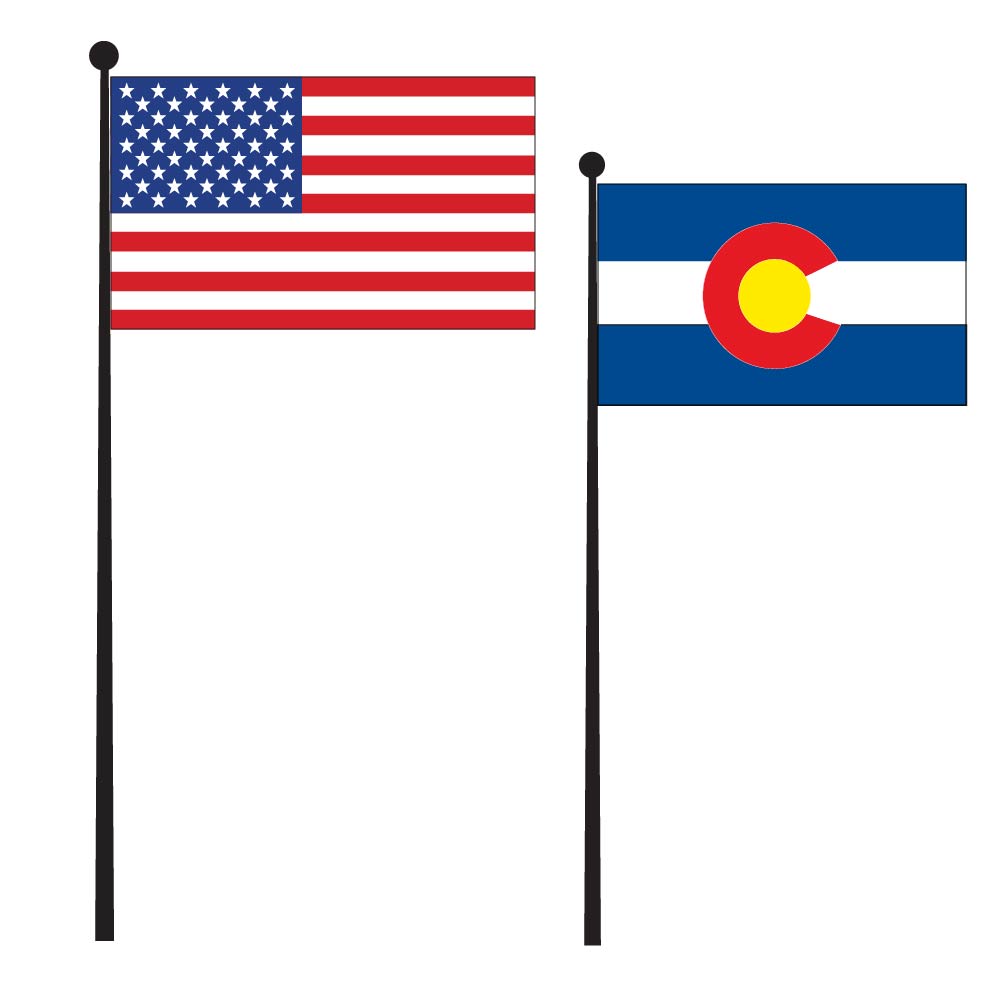
TWO FLAGPOLES

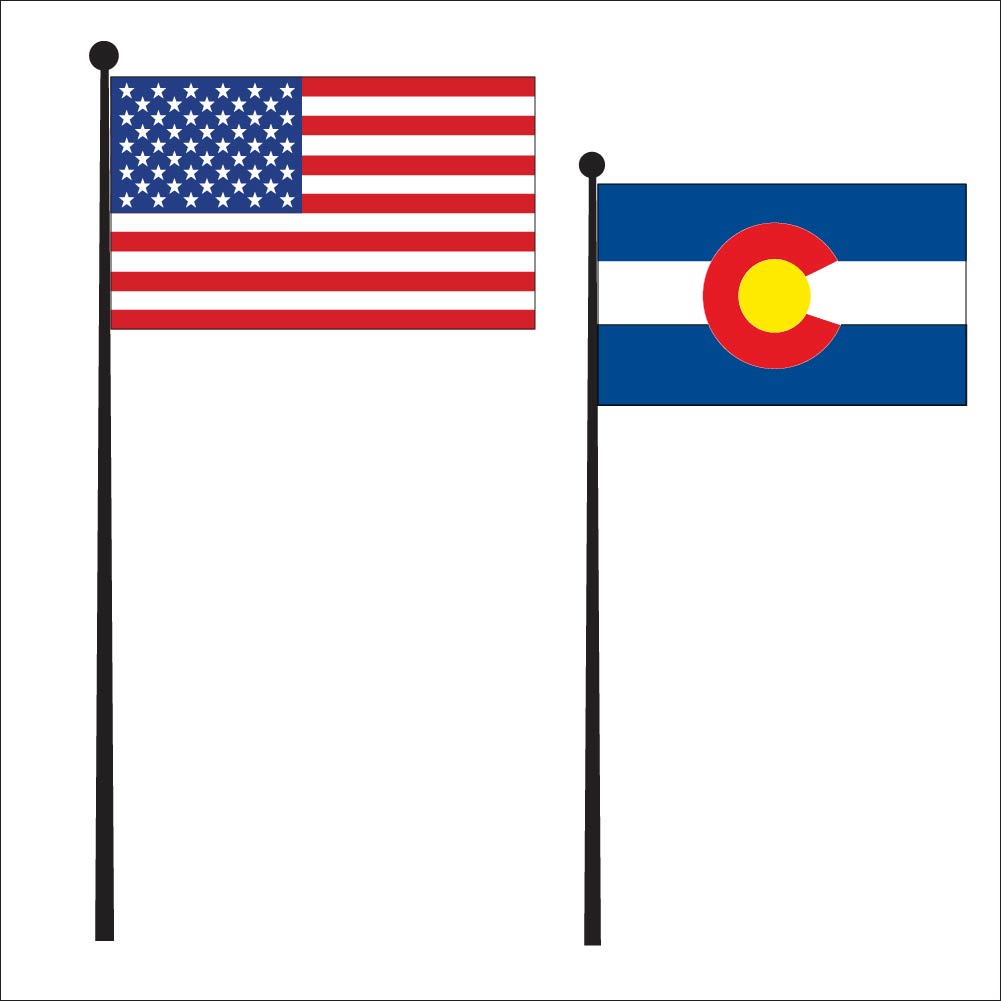
-The American flag should be placed in the position of honor, which is:

-The left side from the viewer’s perspective (the flag’s own right).

-The flagpole flying the American flag should be prominent to the second flagpole. Ideally the pole flying the US flag should be taller and the flag slightly larger than the second flag. At the very least, the poles should be equal height, and flags should be of equal size.

-No flag should be flown higher than the American flag on adjacent poles.

THREE FLAGPOLES

The flagpole flying the American flag belongs in the position of honor. There are multiple variations to set up a flag display. Here are two of the most popular options.

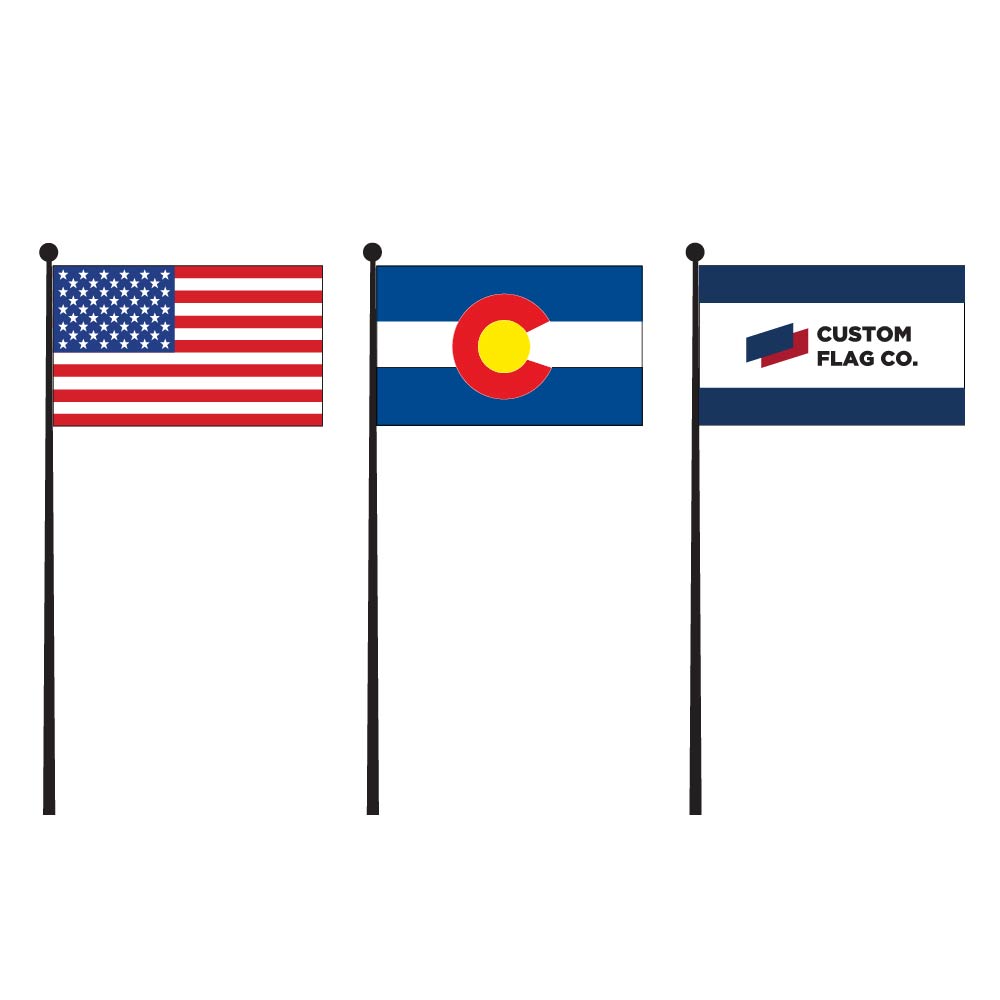
Flagpoles are the Same Height

All three flagpoles are the same height the American flag should be installed to the viewers left or the flags own right.

Left pole: American flag
Center pole: State flag
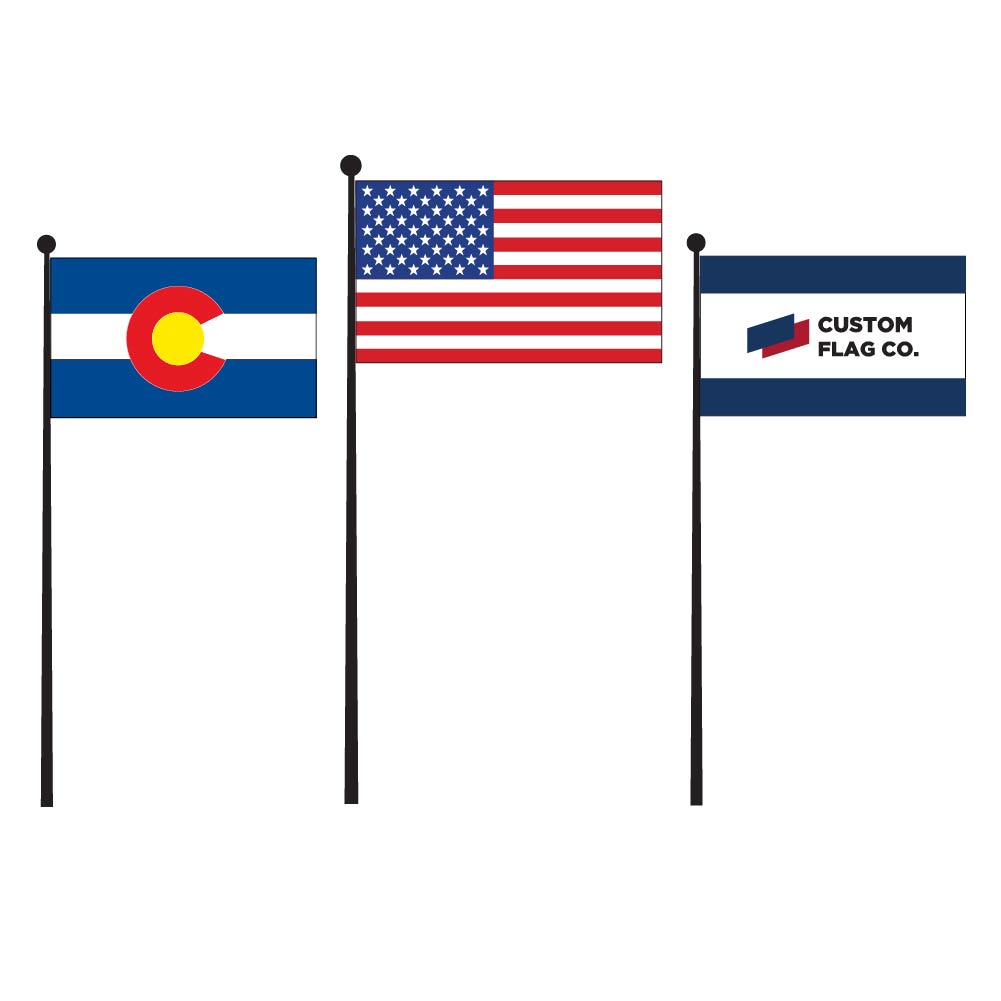
Right pole: Company or logo flagAmerican Flag Is Taller

If the flagpole flying the American flag is taller, it is already in the position of honor and can be placed as the center pole.

Left pole: State flag
Center pole: American flag
Right pole: Company or logo flag

INTERNAL OR EXTERNAL FLAGPOLE?

External Halyard Flagpoles

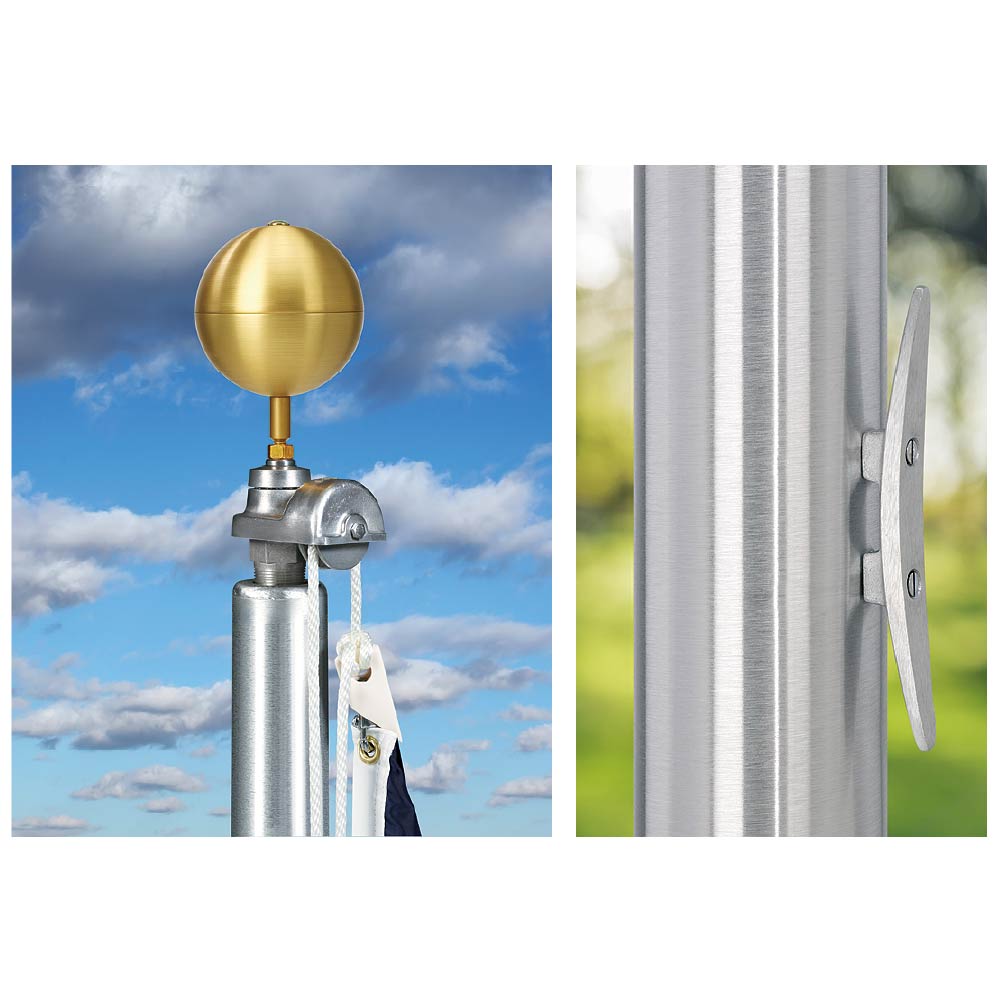
The external halyard is the traditional and most recognizable system. The “halyard,” or rope, runs on the outside of the flagpole through a pulley system (called a “truck”) at the top and is tied off on a cleat near the base.

Pros: This design is simple, making it less expensive and easier to maintain. If the rope frays or snaps, replacing it is a straightforward process. Its classic appearance is favored for historical or residential settings.

Cons: The rope and snaphooks can clank as the rope strikes the pole in the wind. Most importantly, this system is less secure, as anyone can access the rope, leaving it susceptible to vandalism or theft.

Internal Cam Action – Rope Based

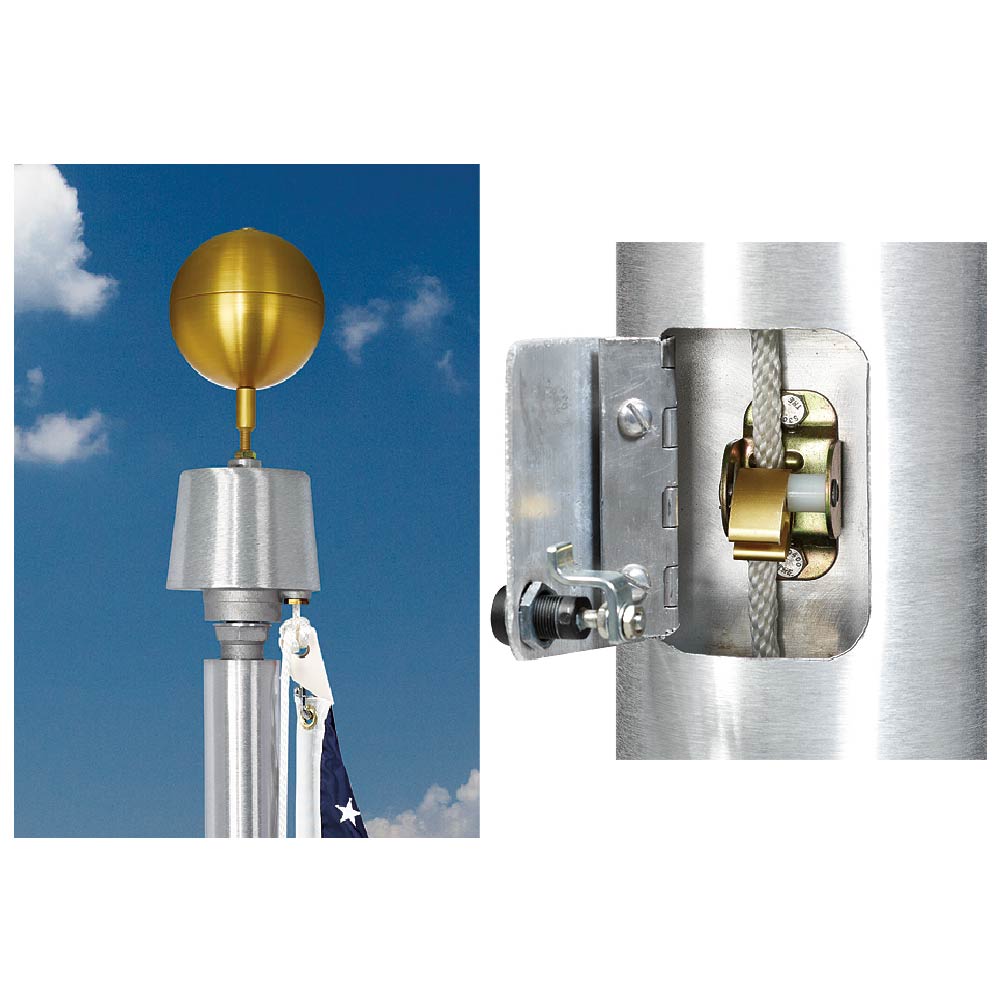
A cam action flagpole has a cam cleat mounted on the inside of the flagpole behind a locked door. The rope goes behind the cleat, clamping it down so it does not move. This is our preferred internal halyard flagpole because it is easy to operate, and replacing parts is much more affordable. There is no special cable that goes in the flagpole, it is the same rope used on an external halyard flagpole.

Pros: Sleek, seamless & vandal proof. While there is still noise, it can be reduced with the rope on the inside of the flagpole.

Cons: More expensive upfront & more parts involved making replacing parts more expensive.

Internal Winch – Cable Based

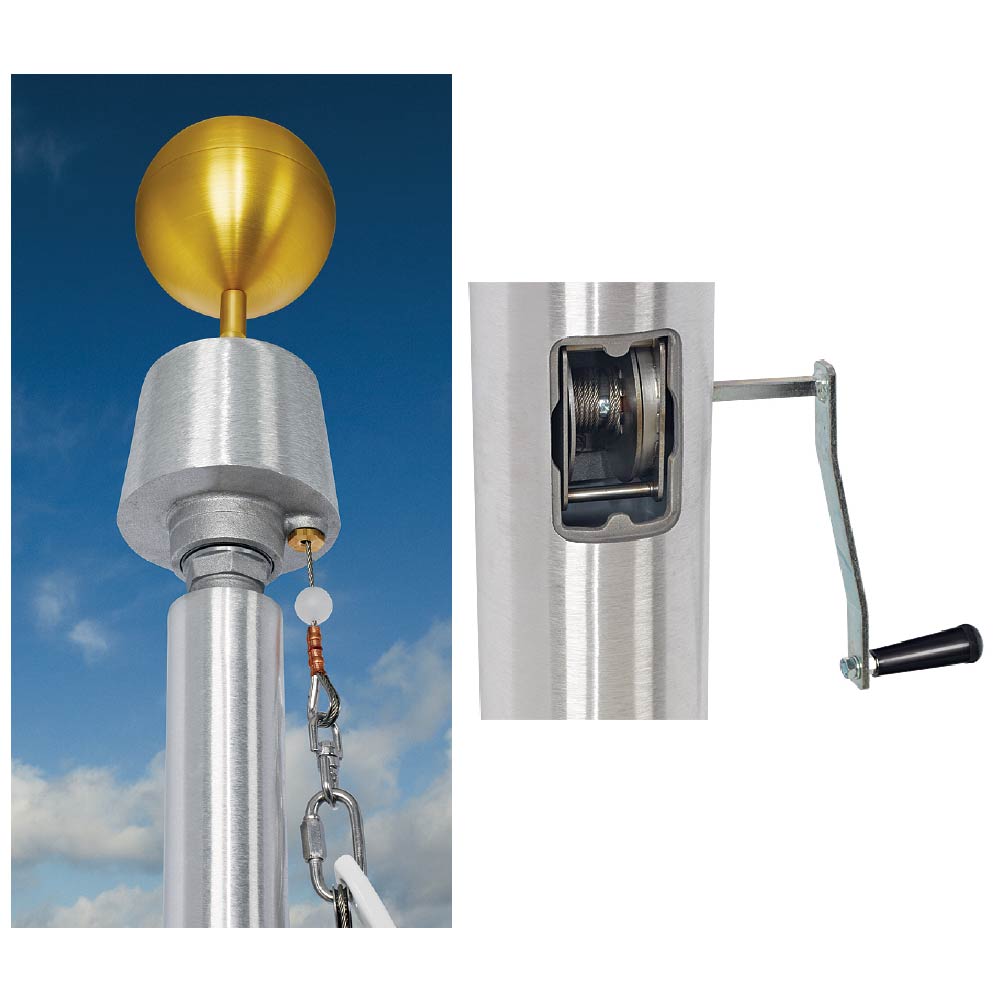
A winch based flagpole has a winch mounted inside the flagpole shaft which is only operable by using a crank handle. There is stainless steel cable that is wound in the winch, and when the flag is raised the cable unwinds from the winch. When the flag is getting lowered, the cable winds back up in the winch.

Pros: The clean looking, secure flagpole is perfect for commercial use. The winch application is easy for anyone to raise and lower the flag no matter the size.

Cons: Most expensive flagpole option. If the winch needs replaced, it is very expensive. The cable can bird nest if over-cranked making repairs slightly more frequent.

DIAMETER, WALL THICKNESS, WIND RATINGS

Installation and design considerations:

– A one piece flagpole is stronger than sectional poles because of fewer joints, and a thicker wall.
– A foundation that follows manufacturer specs will be more than enough to hold the aluminum flagpole in place.

Tips For Purchase:

– Match the pole height and flag size carefully: a larger flag means more wind load. Manufacturers give ratings for a specific flag size.
– Confirm wind speed rating: If your area regularly sees 80 100 mph gusts or more (hills, open plains, coastal), choose a pole rated well above that.
– If you want a flagpole that will handle serious wind, go for a durable aluminum model. Choose the biggest butt diameter and thickest and be mindful of the wind speeds in your region.

Butt/Base Diameter

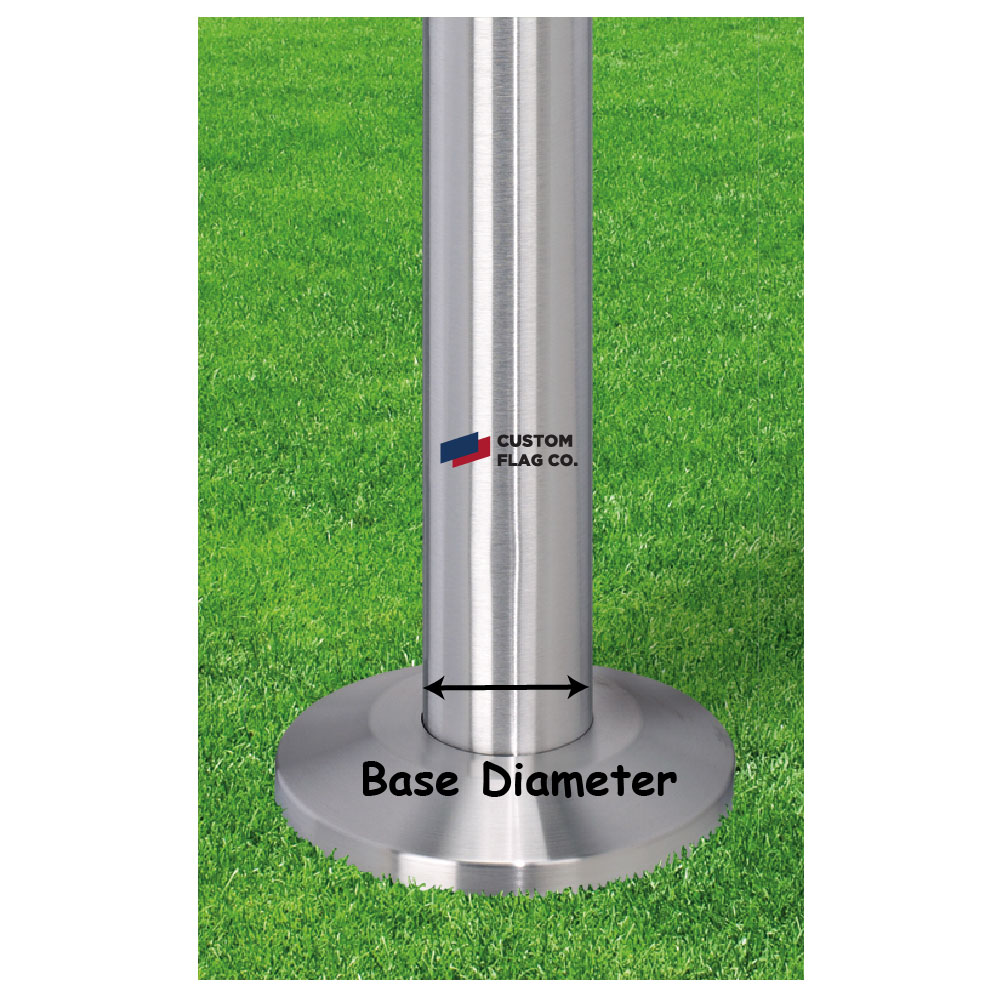
Larger butt diameter spreads the wind load

When wind hits the pole (especially with a flag flying), the force is proportional to the surface area and lever arm. A wider base diameter gives the pole more stability and less relative bend at the base. Depending on the height of the flagpole, there are a few options for the base diameter. For example, a 25’ flagpole has the option of a 4” or 5” base diameter.

Wall Thickness

A thicker wall helps resist bending

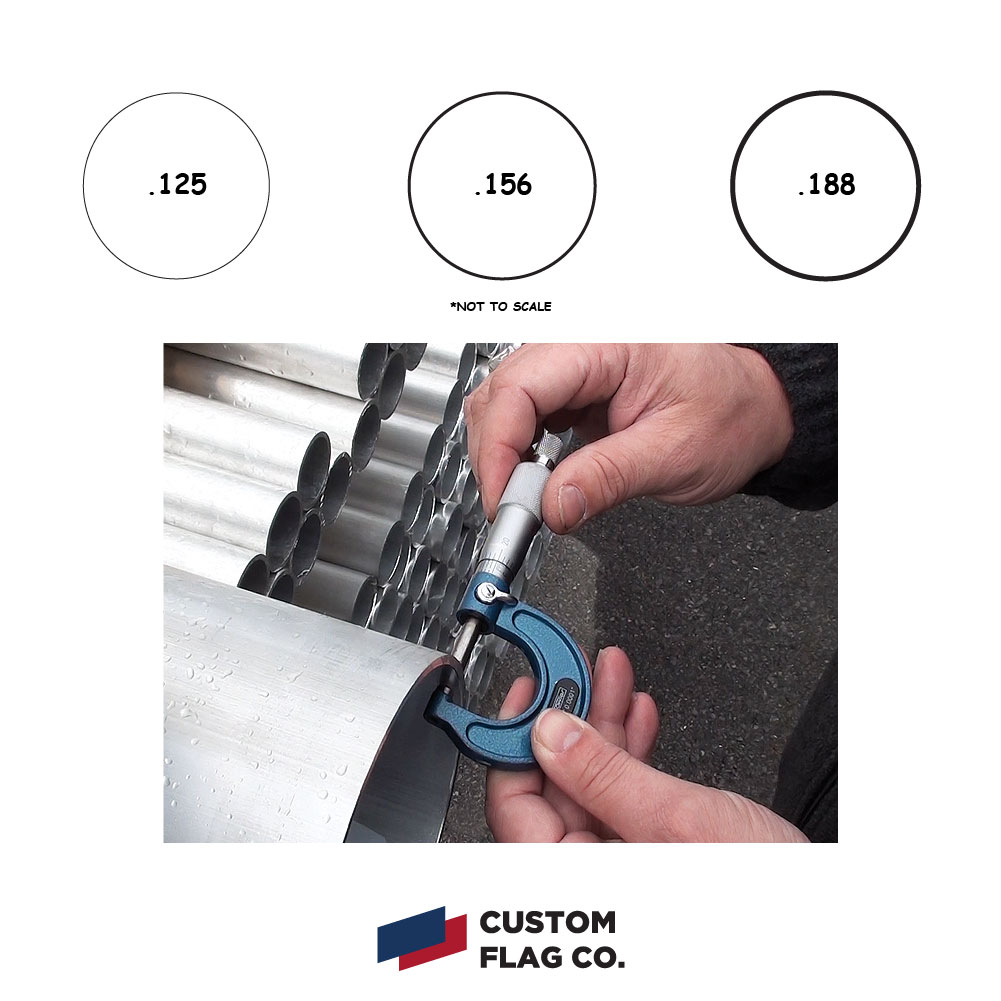
A thicker wall means more material to resist flexing and fatigue from repeated wind loads. There are five options when it comes to wall thickness, .125, .156, .188, .250, and .312. Smaller flagpoles will have .125 or .156 wall thickness while large flagpoles will have .188 or larger wall thickness.

Wind Ratings

Know your average wind speed

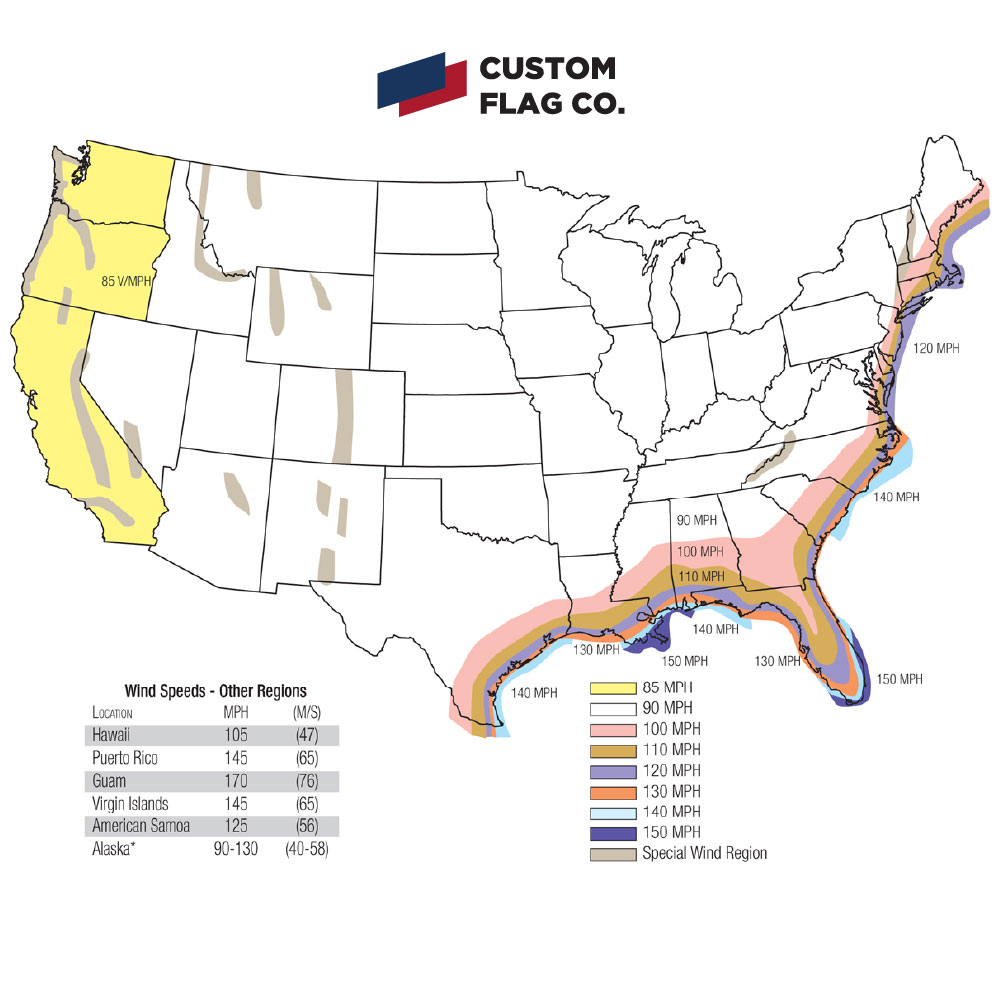
There are published wind speeds from manufacturers with a wind-speed rating with a flag flying and no flag flying. For example, a 25’ ft x 5” base x .156 wall thickness is rated at 120 mph flagged, 183 mph unflagged. The flagged wind speed is when flying a 4’x6’ flag.

Download Wind Ratings Map Here

FLAGPOLE COLOR

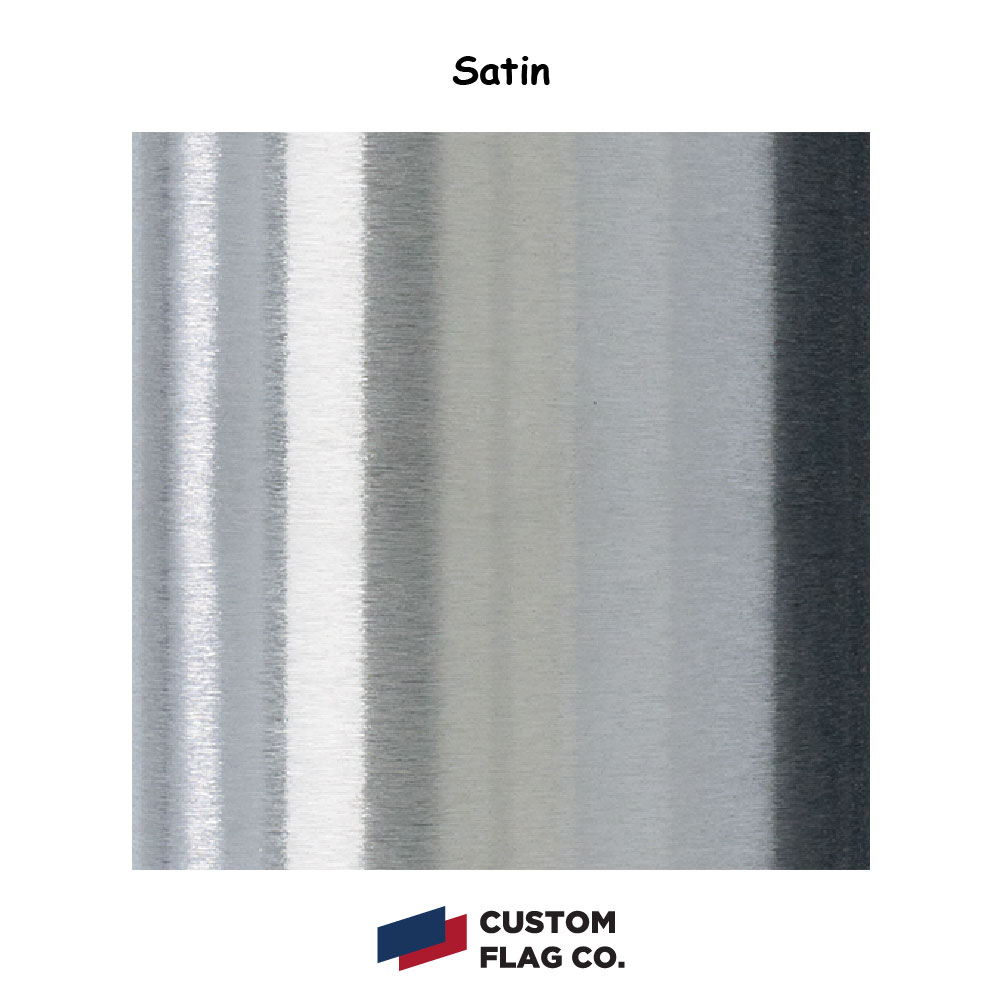
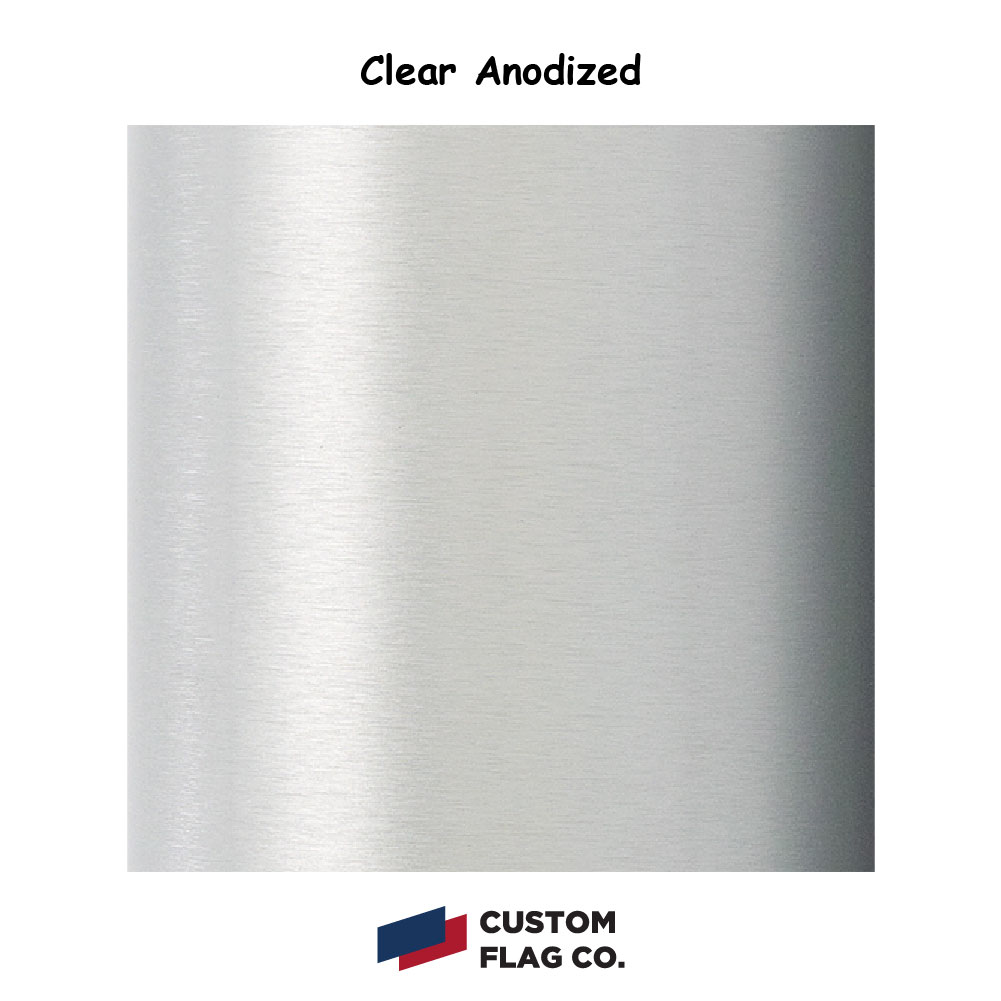
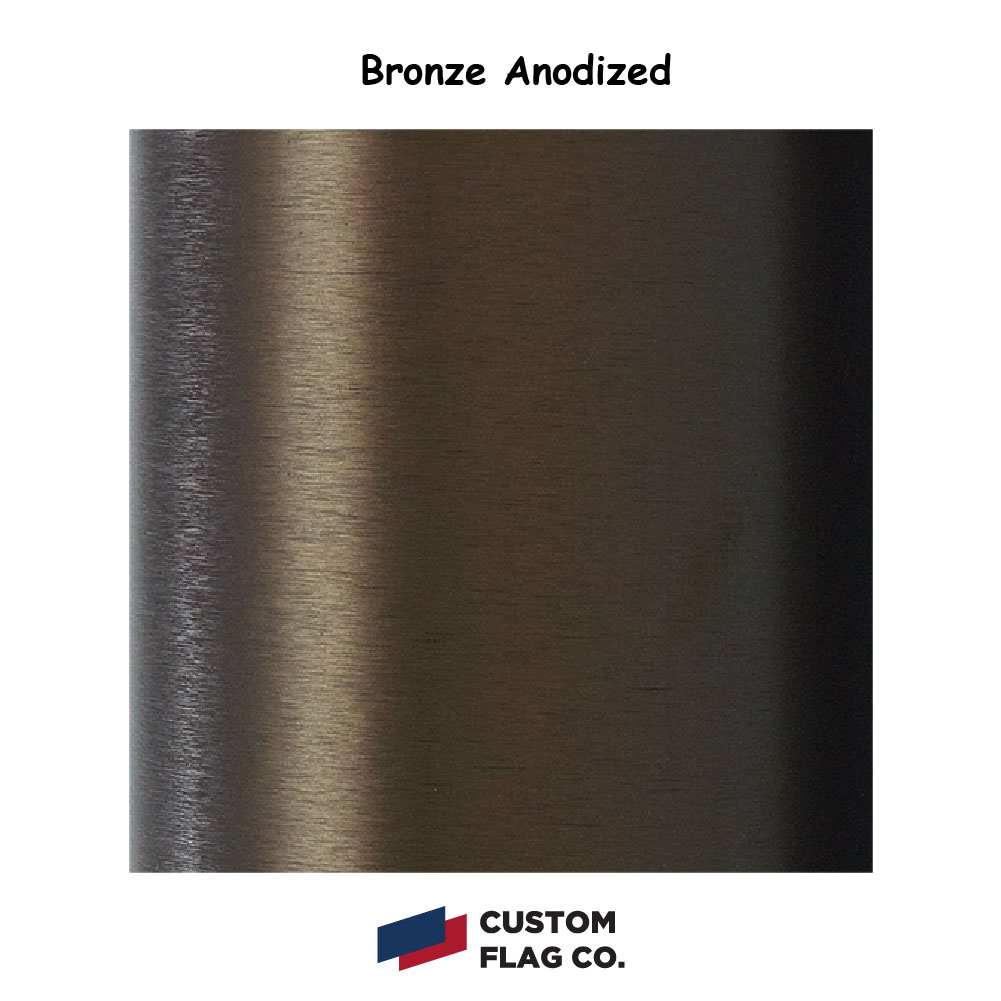
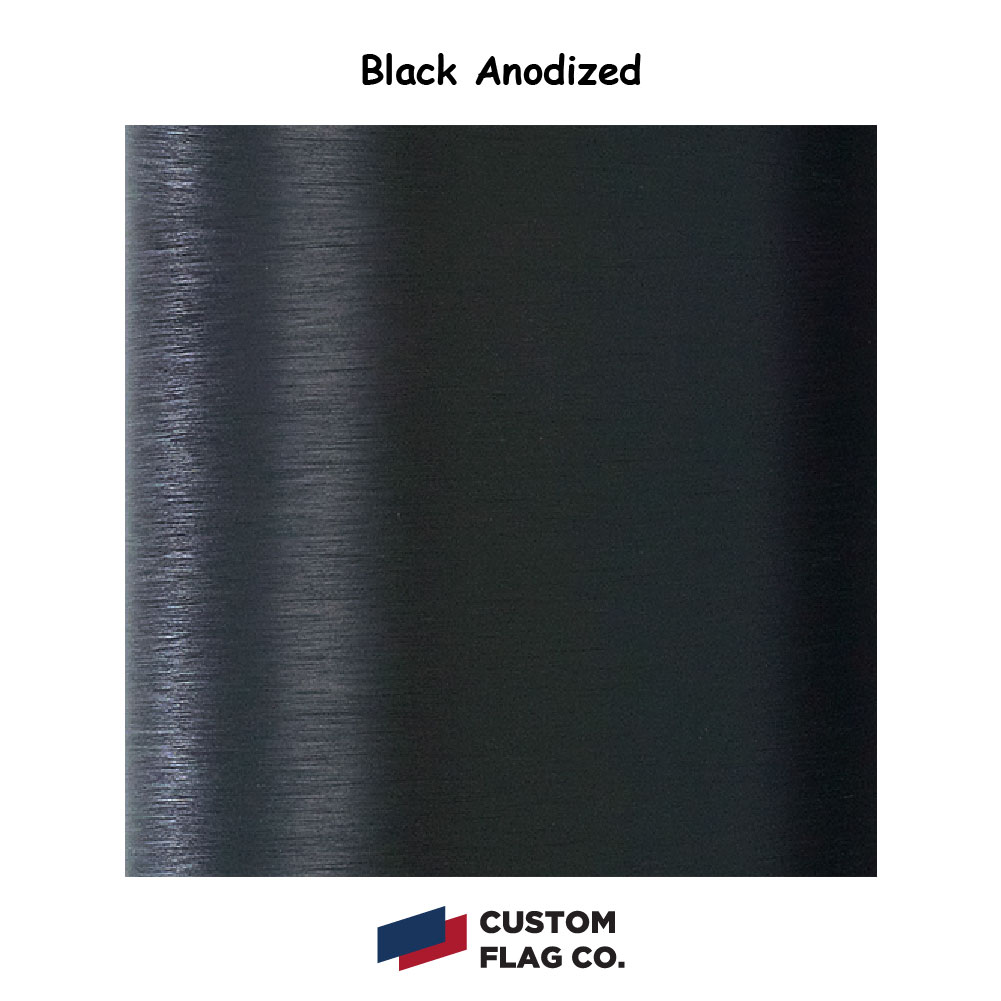
Flagpoles come in various finishes, with satin, clear anodized, bronze, and black being some of the most popular options. Each of these finishes offers unique advantages. Understanding their differences can help you make the right choice for your needs.

Satin Finish

Satin flagpoles have a smooth, matte finish that exudes a refined, understated elegance. This finish is ideal for environments where a more professional and subtle appearance is desired. The satin texture allows the pole to reflect light gently, making it a good choice for commercial properties or formal settings like government buildings. Its durability and resistance to corrosion also make it a low-maintenance option. This is the most common flagpole finish.

Clear Finish

A clear anodized flagpole is made through an electrochemical process that enhances the pole’s surface, making it more resistant to corrosion and wear. This finish gives the flagpole a shiny, silver-like appearance, maintaining a sleek and modern look. It’s a popular choice for those who want a durable and low-maintenance pole that doesn’t compromise visual appeal. Clear anodized flagpoles are perfect for urban or industrial areas where a polished, clean look is desired.


Bronze Finish

A bronze flagpole offers a rich, elegant appearance with its warm, golden-brown hue. The natural tones of bronze make it a timeless choice, especially for traditional or historic buildings. Overtime, a bronze flagpole will fade giving it a unique, aged look. This is ideal for individuals looking for a classic, distinguished appearance that will stand the test of time.


Black Finish

A black flagpole creates a striking contrast, making it a bold statement piece in any location. This finish adds a modern and dramatic touch, ideal for contemporary buildings, sports facilities, or private homes with a modern aesthetic. The black color also hides dirt and grime better than lighter finishes, which can be a practical advantage in areas prone to dust and pollution.


FLAGPOLE LIGHTING

According to the U.S. Flag Code (4 U.S.C. § 6), the American flag may be flown 24 hours a day if it is “properly illuminated” during darkness, meaning a light specifically placed to illuminate the flag or sufficient ambient light that makes it recognizable.

There are options to get lighting that is hardwired or through solar. Below are the hardwired & solar lighting options.

Existing Exterior Lighting

If your flagpole is close to a building or house, we recommend installing a light that illuminates the flag from the structure. This is the most reliable way to light your flag. This can also be a very affordable way if you already have the electrical in place. A light is an easy purchase. This is our preference when it comes to lighting a flagpole.

Ground Lighting

Similar to landscape lighting but has different lighting voltages depending on the height of the flagpole. There are many lighting options from a low voltage landscape light to a high-powered commercial light. This option is perfect with new construction where you can include the electrical in final construction. This option requires an electrician to bring power to the bottom of the flagpole.

Beacon Light

The beacon light is commercial grade light with a light built into a ball or internal truck. The light shines down on the flag and is a certified IDA Approved Dark-Sky Friendly Fixture and does not add any light pollution. The wires are hard-wired and are threaded through the flagpole to the top of the flagpole. This option requires an electrician to bring power to the bottom of the flagpole.

PoleLED Uplight

The PoleLED is a brand new flagpole light where the lights are arranged in a circle midway up the pole ensuring the flag is lit at all times. This light is the same color of the flagpole giving a sleek, clean lighting option. The wire goes through the flagpole down to a power supply outside of the flagpole.  This option requires an electrician to bring power to the bottom of the flagpole.

StarGazer Downlight

The light sits on top of the flagpole providing light shining down on the flag, but emulating a gold ball. The ball is untraditional, but is an excellent option. The StarGazer is a certified IDA Approved Dark-Sky Friendly Fixture and does not add any light pollution. This option requires an electrician to bring power to the bottom of the flagpole.

Solar Down Light

A solar downlight looks like a disk just below the ball and shines down on the flag from the top of the flagpole. This is an affordable option and the disk is not very noticeable from the ground. The one downfall is when the light dies, you have to get to the top of the flagpole to replace it. We just had one customer who had their solar down light for almost 10 years. The newer solar lights have improved and should have a respectable life.

Solar Up Light

The other solar light option we have is a solar up light. This light attaches to the base of the flagpole, and shines up on the flag. This solar light is slightly more expensive, and is noticeable from the ground. An advantage of the solar up light is the ease to replace since it can be accessed from the ground.

Beacon Lights with Solar Panel

The beacon lights described above have an option to add a solar panel instead of being hardwired. The large solar panel is fixed to the flagpole midway up the pole and wiring is threaded through a hole and up to the top of the flagpole. This large solar panel can be considered an eyesore.

MAINTENANCE

There is a lot of excitement getting a new flagpole in front of your house or business. While there might not be any maintenance when you first get the pole, there is ongoing maintenance for a flagpole. This might include flags, parts, and care.

Flags

The flag is what will wear out the fastest. There is an assumption that a flag should last forever, which is not true. When a flag is flying 20/7, the flag will fade from the sunshine, and/or fray from the wind whipping it around. The U.S. Government generally expects a nylon flag to last 90 days based on the flag flying daily from sunrise to sunset, except during inclement weather. We typically see our customers needing 1-3 flags a year. Colorado can experience some crazy weather taking a toll on flags, but we also have customers whose flags last a couple years.

Parts

Flagpole parts do not wear out as quickly as flags, but will eventually need to be replaced. For External Halyard parts, shop here. For Internal Halyard parts, shop here.

Care

As long as you care for your flagpole, and don’t neglect it, it does not cost much to maintain it. Just remember, on very windy days, take your flag down. This will give your flag a longer life and takes some strain off the flagpole.

Service Agreement

We offer services locally, we come to your flagpole every month, every other month, once a quarter, or twice a year to change out your flags and check all the parts of the flagpole. If the flag flying is still in good condition, we will clean and repair it, then re-hang it the next time we come to visit your flagpole. If the flag needs to be retired we will take care of it properly and complimentary. We inspect all parts to make sure they are in good condition.